

Oysters occupy a unique spot in commercial seafood: buyers often want them fresh and live, not just frozen. That single fact shapes almost every purchasing decision around oysters, from harvesting method to shipping format. A wholesale oyster supplier needs to handle both fresh and frozen product lines well, since restaurants, retailers, and processors don’t all want the same thing. This page covers what B2B buyers should know before placing a bulk oyster order.
Wholesale Oyster Varieties & Shell Sizes
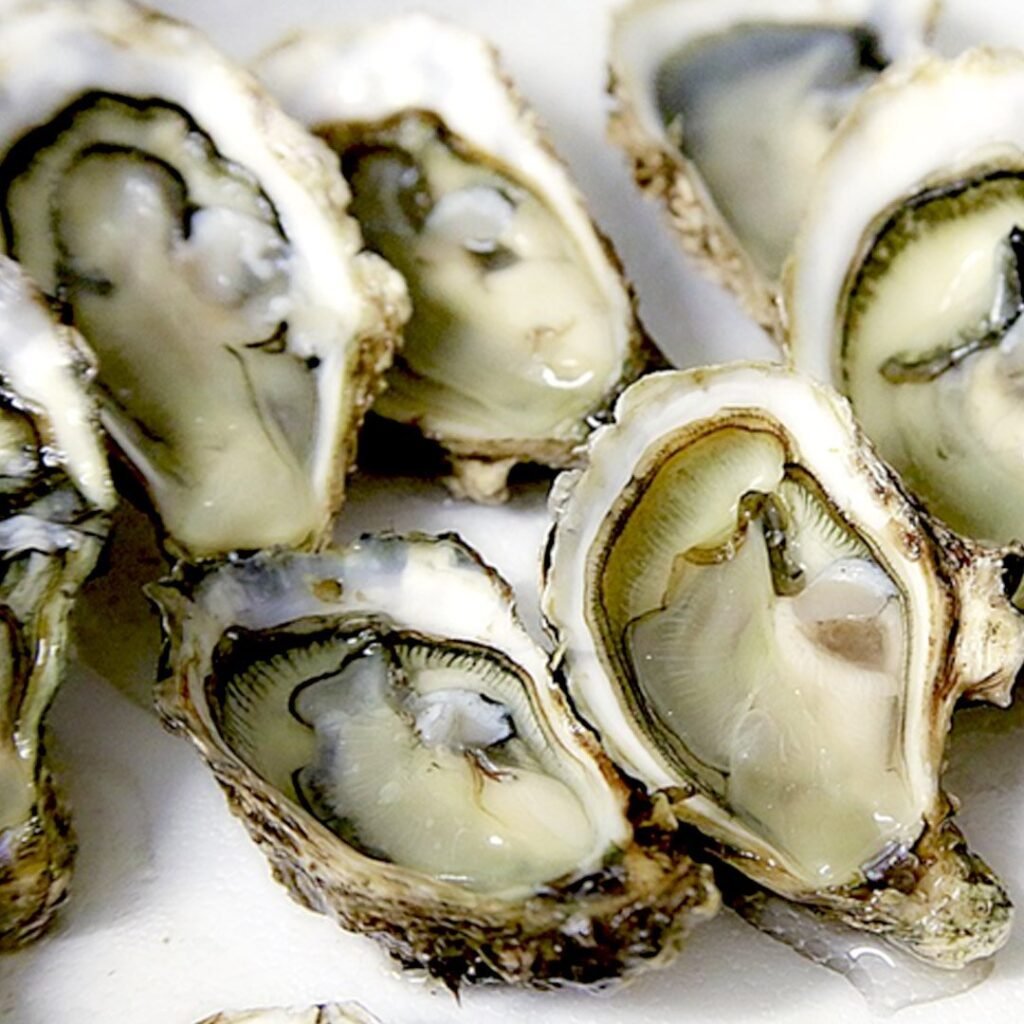
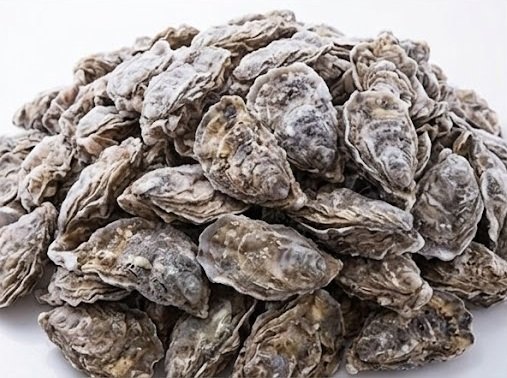
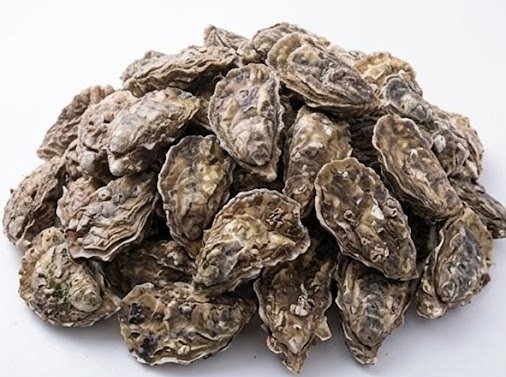
Oyster species vary more in flavor and shell shape than most shellfish, and that variation matters to buyers building a raw bar program. Some varieties carry a brinier, more mineral flavor, while others lean sweeter or milder. Shell size also differs by species and growing region, which affects both plate presentation and shucking labor. Buyers ordering for a raw bar typically want a consistent shell size within each variety, since mismatched sizes make for an uneven display. Retailers selling live oysters by the dozen face the same concern, since customers notice size variation quickly. Frozen and shucked oyster meat, by contrast, gets graded more by count-per-gallon or count-per-pound than by shell size. Buyers should confirm which grading system a supplier uses before ordering, since fresh and frozen product lines don’t always follow the same standard.
Bulk Farming & Harvesting Practices
Farmed oysters dominate most commercial supply today, grown in cages, bags, or on the seafloor depending on the region and method. Farming conditions directly shape flavor, since salinity and water temperature both influence how an oyster tastes, a trait the industry often calls merroir. Buyers sourcing for a raw bar sometimes request specific growing regions for this reason, since flavor profile can matter as much as size to their menu. Harvest timing also affects quality. Oysters harvested during warmer months can carry a different texture than those pulled in cooler water. Suppliers who track harvest dates and growing conditions give buyers more control over consistency across repeat orders. Ask any oyster supplier how they document harvest region and timing, especially if flavor consistency matters to your program.
Commercial Quality Control & Freshness Assurance
Live oysters require tighter handling standards than most seafood, since the product needs to stay alive and healthy from harvest through delivery. Suppliers typically hold live oysters at controlled temperatures to slow metabolism without stressing the animal. Buyers should ask how long oysters sit between harvest and shipment, since extended holding time can affect both survival rate and eating quality on arrival. Frozen oyster meat follows a different quality path entirely. Processors shuck and freeze it quickly to lock in texture before it degrades. Buyers sourcing frozen oyster meat should confirm freezing method and storage temperature, since slow freezing can leave the meat watery or mushy after thawing. Both product lines reward buyers who ask specific questions upfront rather than assuming all oyster suppliers handle quality the same way.
B2B Shipping Formats for International Buyers
Shipping format depends entirely on whether you’re ordering live, fresh-shucked, or frozen oysters. Live oysters typically ship in mesh bags or cases, packed to keep shells upright and protected during transit, with strict time and temperature limits along the route. Fresh-shucked meat moves in sealed containers under refrigeration, built for a much shorter shelf life than frozen product. Frozen oyster meat ships in individually quick-frozen or block formats, giving international buyers more flexibility on transit time and storage. Buyers importing across longer distances should factor shipping duration into their format choice, since live oysters have a firm ceiling on how long they can travel before quality drops. We support bulk purchasing across all three formats for importers, distributors, and foodservice buyers. If you’re planning a bulk oyster order, our team can walk through variety, harvest region, and shipping format options that fit your business.