
Ask any foodservice buyer to name a whitefish that shows up on more menus than they’d expect, and Alaska pollock is usually the answer. It’s the fish behind countless fish sandwiches, fish sticks, and surimi-based products, even when the menu doesn’t say “pollock” anywhere. For B2B buyers, that hidden popularity is exactly the point: pollock delivers volume, consistency, and a neutral flavor that works across dozens of product formats. Sourcing it wholesale means understanding a few things upfront — grading, cut format, and how the fish actually gets used once it leaves the warehouse.
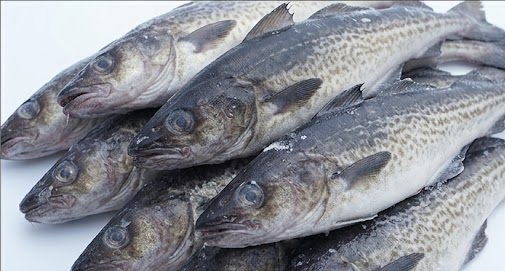
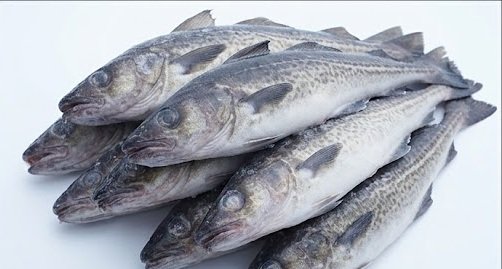
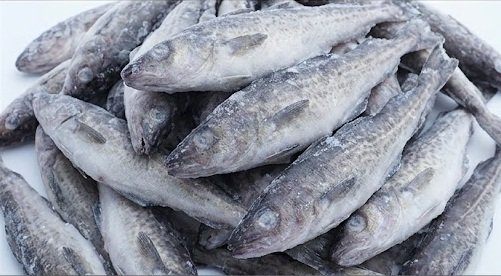
Alaska Pollock Specifications and Product Grades
Pollock grading comes down to a short list of factors buyers should ask about before ordering:
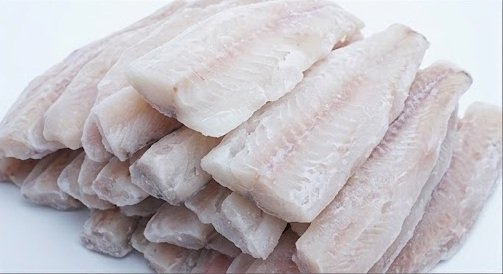
- Fillet size – smaller fillets suit portioned foodservice items; larger ones give processors more room to cut custom shapes.
- Moisture and protein content – pollock naturally holds more moisture than some whitefish, which matters for anyone breading or battering the product.
- Block vs. fillet form – some buyers want individual fillets, others want frozen blocks for slicing on their own equipment.
- Skin-off, bone-out standard – most commercial pollock ships this way, since almost no buyer wants to deal with pin bones at scale.
None of these factors is complicated on its own. The trouble comes when buyers skip asking about them and end up with product that doesn’t match their processing line. A five-minute conversation about grading up front usually prevents a much longer conversation about returns later.
Alaska Pollock Fillets, Portions, and Processing Options
Once you’re past grading, the real question is: what are you actually doing with this fish? Pollock splits fairly cleanly into a few processing paths.
Buyers making breaded or battered products — think fish sticks, fillet sandwiches, or fish and chips — typically order frozen blocks. Blocks cut cleanly into uniform portions on high-speed equipment, and uniformity is the whole game when you’re running a fryer line at volume. Buyers who want finished portions without in-house cutting usually order pre-portioned fillets instead, sized to match a target plate cost or sandwich spec.
Then there’s surimi. Pollock is one of the most common bases for surimi products (imitation crab, fish cakes, and similar items), thanks to its mild flavor and workable protein structure. If that’s your end use, you’re likely buying in a different format entirely, often minced or block-frozen specifically for further processing rather than as a finished fillet.
Knowing which path you’re on before you call a supplier saves everyone time.
Frozen Pollock for Foodservice and Commercial Applications
Restaurants and quick-service chains lean on pollock for a simple reason: it’s affordable at scale and doesn’t fight with other flavors on the plate. A fried pollock sandwich tastes like what people expect a fried fish sandwich to taste like — nothing more, nothing less. That predictability is an asset, not a limitation, especially for chains trying to keep a menu item consistent across hundreds of locations.
Retailers stock frozen pollock fillets and portions as a budget-friendly whitefish option, often positioned next to pricier species for shoppers comparing cost per pound. Foodservice distributors, meanwhile, treat pollock as a menu-planning safety net. When other whitefish species get tight on supply or expensive, pollock tends to stay available and price-stable, which keeps kitchens from having to rewrite their specs mid-season.
Bulk Alaska Pollock Supply and Global Distribution
Buying pollock at commercial volume isn’t just about landing a good price on one order — it’s about whether a supplier can repeat that order next month, and the month after, with the same specs. That’s really what B2B buyers are paying for: predictability at scale.
A few questions worth asking any pollock supplier before committing to volume:
- Can grading and portion sizes stay consistent across multiple shipments?
- What packaging formats are available for your distribution setup?
- How does the supplier handle larger container or bulk-load orders?
We work with importers, foodservice distributors, and processors who need pollock volumes they can count on shipment after shipment. If you’re weighing frozen Alaska pollock for a fryer line, a retail case, or a surimi operation, our team can talk through grading, formats, and order volumes that fit how you actually use the fish.