

Say “catfish” to most buyers and they’ll picture one of two things: a Southern kitchen frying up fillets for a Friday fish fry, or a label dispute over whether the fish on the menu is really catfish at all. Both instincts deserve attention. Catfish carries a strong regional identity in commercial seafood. That identity is exactly why sourcing it correctly — species, size, and format — matters more than buyers sometimes expect.
The naming problem, briefly. In several markets, sellers have used “catfish” loosely to describe similar-looking whitefish like basa or swai. These are related but distinct species with different texture and flavor. Regulators in some regions have tightened labeling rules around this over the years. For a B2B buyer, the takeaway is simple: confirm exactly which species you’re quoted before you commit to volume. It’s a five-second question that saves you a much bigger headache with your own customers later.
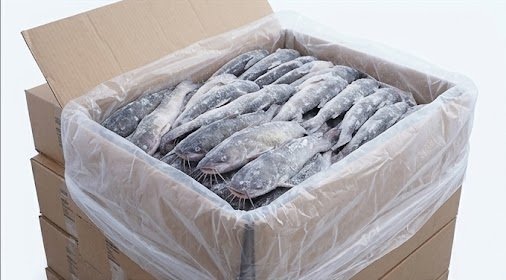
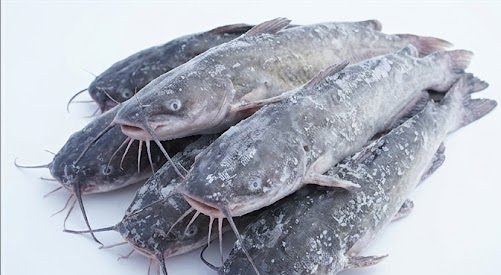
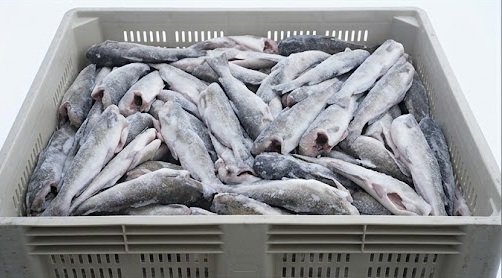
Suppliers grade farm-raised catfish mainly by fillet weight, and the range matters more here than with some other whitefish. Smaller fillets work well for portion-controlled plates and sandwiches. Larger fillets give retailers room for bigger, presentation-forward cuts. A few things to check with any catfish supplier:
- Species confirmation — true catfish, not a related import sold under a similar name.
- Fillet weight range — smaller vs. larger grades, depending on your end use.
- Trim standard — whether the supplier removes nugget meat, belly strips, or bloodline.
None of this is complicated once you know to ask. Most sourcing headaches with catfish come from skipping the question, not from the fish itself.
Catfish Fillets, Portions, and Commercial Processing
Fried catfish drives most of the volume, and that shapes how processors prepare the product before it reaches a kitchen. Processors usually cut fillets meant for frying on the thinner side. A thick fillet won’t cook through evenly in hot oil without overcooking the exterior. Buyers running a fry program often want fillets pre-portioned to a set weight, which keeps plate cost predictable across a busy service.
Not everything gets fried, though. Baked and blackened catfish preparations tend to use slightly thicker cuts, since they skip the fast, high-heat cooking method. Processors making breaded or battered catfish products generally order bulk block form rather than individual fillets. Blocks slice more evenly on automated lines, and that consistency matters more on a production line than in a single restaurant kitchen cutting fillets by hand.
Frozen Catfish for Foodservice and Retail Markets
Catfish shows up on regional and Southern-style menus specifically, rather than serving as a universal whitefish choice the way tilapia or pollock does. It carries a flavor and cultural association customers recognize. That means restaurants serving it often sell an experience as much as a protein. This matters for buyers, because it changes what “quality” means to your end customer — texture and authenticity often outweigh absolute lowest cost.
Retailers stock frozen catfish fillets mainly in regions where the fish has strong brand recognition, and demand tends to cluster geographically rather than spread evenly nationwide. Foodservice distributors supplying Southern-style restaurants, seafood shacks, and comfort-food chains often treat catfish as a core menu item rather than a rotating special. That’s a different purchasing pattern than you’d see with a more generic whitefish.
Bulk Catfish Supply for International Seafood Buyers
A quick Q&A, since these come up often:
Can I get a consistent fillet size across multiple shipments? — Ask this before committing to volume. Inconsistent grading is the most common complaint buyers raise after the fact.
Do I need to worry about species mix-ups on bulk international orders? — Confirm this directly, especially when sourcing across borders where labeling standards vary.
What if my order needs to combine fillet sizes for different menu items? — Most suppliers can split volume across grades within one shipment. Just ask upfront instead of assuming.
We support bulk purchasing for importers, distributors, and foodservice operators. You need dependable catfish volumes, correct species, and grading that holds steady order after order. If catfish fits your menu or retail lineup, our team can talk through species, sizing, and volumes that match what you actually need.