
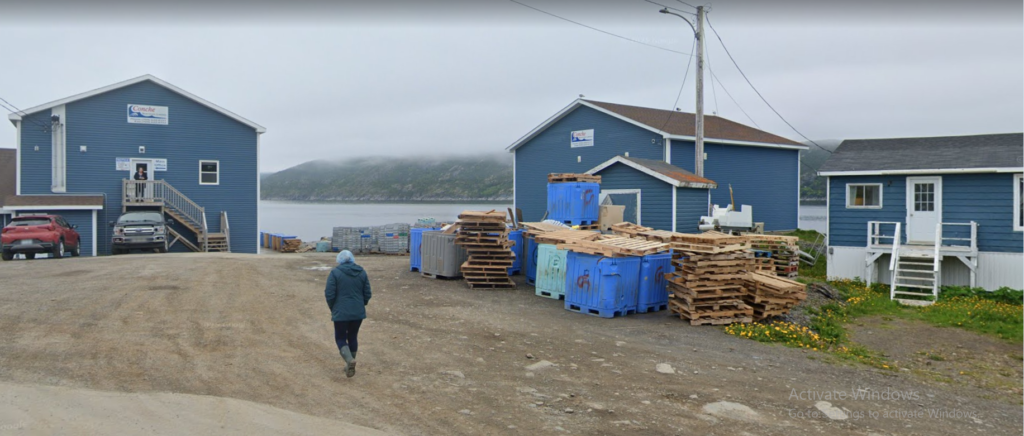
Octopus behaves differently than most seafood once it reaches a commercial kitchen, and sourcing it well means understanding that difference upfront. Texture depends heavily on processing method, not just freshness. Supply depends on wild-catch quotas rather than steady farmed volume. Conche Seafoods Limited supplies wholesale frozen octopus to importers who need both consistent quality and a realistic plan for tightening supply windows.
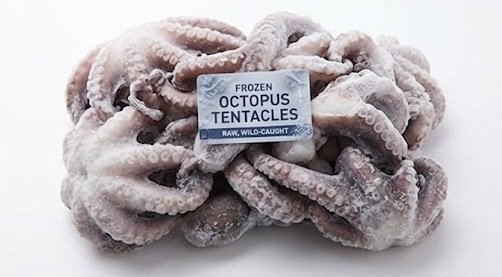
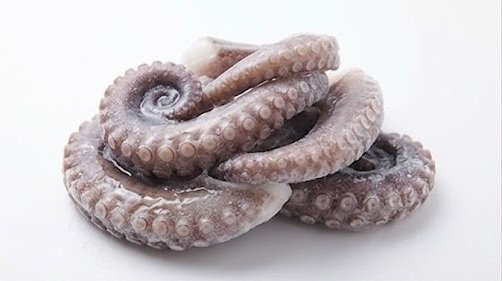
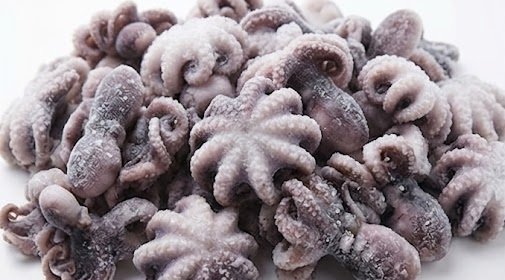
Frozen Flower Octopus and Cleaned Octopus Specifications
Flower octopus, prized for its tender texture and manageable size, moves through commercial channels mainly as cleaned, frozen product ready for kitchen use. Cleaning removes the beak, ink sac, and internal organs before freezing, saving prep labor for buyers who don’t want to process whole octopus in-house. Buyers should confirm cleaning standards directly with any supplier, since inconsistent cleaning creates extra work and waste once product arrives.
Grading typically runs by weight per piece, since size affects both cooking time and plate presentation. Smaller pieces suit appetizer portions and tapas-style service, while larger pieces work for centerpiece preparations like grilled or braised whole octopus. Tenderization matters just as much as size. Raw octopus turns rubbery if cooked without proper preparation, so many suppliers use mechanical tenderizing or controlled freeze-thaw cycles to break down muscle fiber before the product ships. Buyers should ask whether tenderization happens before or after freezing, since this step affects texture more than almost any other factor in the supply chain.
Strict Quality Control and Sustainable Seafood Sourcing
Octopus fisheries rely entirely on wild catch, since commercial octopus farming hasn’t scaled the way finfish or shrimp aquaculture has. That makes sourcing practices and quota management central to long-term supply reliability, not a side consideration. Buyers should ask suppliers how they track catch origin and fishing method, since sourcing transparency matters more with a wild-only species than with farmed alternatives.
Quality control extends beyond sourcing into handling after catch. Octopus needs fast processing and freezing to maintain texture and prevent quality loss, since delays between catch and freeze show up clearly in the final product. Suppliers who document freezing turnaround time give buyers a clearer picture of what they’re actually purchasing. Ask directly about the time gap between catch and freeze for any octopus supply you’re evaluating, since this detail affects quality more than most buyers initially expect.
Secure Your FCL Frozen Octopus Forward Contracts Today
Octopus supply tightens fast when quotas fill or a season underperforms, and buyers who wait until inventory runs low often face steep price jumps or limited availability. Forward contracts let importers lock in FCL volume and pricing ahead of these swings, based on projected catch and current market conditions. This approach works especially well for buyers with predictable annual demand who want to avoid scrambling for spot-market supply during tight periods.
Booking ahead also gives Conche Seafoods Limited more room to plan processing and freezing capacity around confirmed orders, rather than reacting to last-minute requests. Buyers considering a forward contract should discuss projected volume, delivery timing, and flexibility around specification changes before committing. If octopus plays a consistent role in your import business, reach out now to discuss forward contract terms for upcoming FCL volumes before the next sourcing window tightens.