

Scallops carry more technical variables than most shellfish, and getting those variables wrong on a bulk order gets expensive fast. Count-per-pound sizing, moisture treatment, and freezing method all affect both price and usable yield once the product reaches a kitchen. Buyers sourcing wholesale frozen sea scallops need clear technical specifications upfront, not a general product description. This page breaks down what B2B buyers should confirm before requesting a container-load quote.
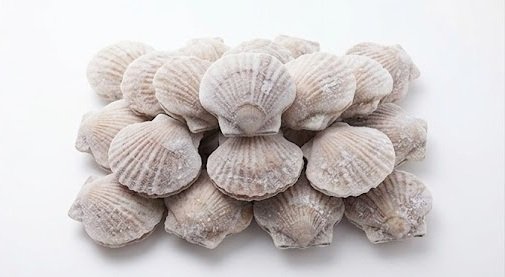

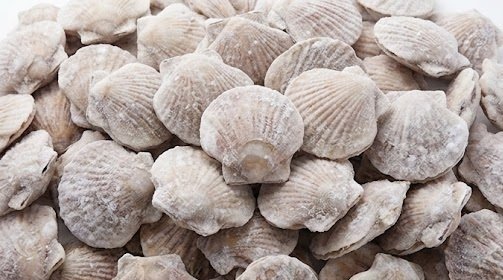
IQF Sea Scallops Technical Specifications and Sizing
Scallops sell by count-per-pound, a sizing system that directly sets price and portion planning. Lower counts, like U/10, mean fewer, larger scallops per pound and command premium pricing for plated entrees. Higher counts, like 20/30 or 30/40, mean smaller scallops sold at a lower price point, often used in pasta dishes or mixed seafood plates. Buyers should specify count range clearly when requesting a quote, since even a small shift in count changes both cost and how the product performs on the plate.
Moisture treatment matters just as much as size. Dry-packed scallops contain no added phosphate solution, so they sear properly and hold their true weight. Wet-packed scallops absorb a saline or phosphate solution during processing, which adds weight and moisture but can prevent a proper sear in the pan. Buyers should confirm dry versus wet processing directly, since this single factor affects cooking performance more than almost any other spec.
IQF processing freezes each scallop individually rather than in a solid block, which lets buyers pull exact portion counts without thawing an entire case. This matters for kitchens managing precise plate costs or variable daily volume. Glaze percentage, the thin ice coating applied during freezing, should also appear on any technical spec sheet, since excess glaze effectively dilutes the amount of actual scallop meat in each case.
International Export Certifications and Cold-Chain Logistics
Scallops are highly perishable once thawed, which makes cold-chain integrity a bigger risk factor than with many frozen seafood categories. Export shipments should maintain a consistent frozen temperature from the point of freezing through final delivery, without gaps during transfer between cold storage facilities or during customs processing. Buyers should ask suppliers directly how they monitor and document temperature throughout transit, since a single break in the cold chain can compromise an entire container.
Export certifications vary by destination market, and buyers should confirm which certifications apply to their specific country before finalizing an order. Requirements differ between markets, and a supplier unable to provide documentation matching your import requirements creates delays at customs regardless of product quality. Buyers working with new import markets should request certification documentation early in the sourcing process, well before container booking, to avoid last-minute customs issues.
Container loading also affects product integrity. Scallops packed too tightly or stored near the container door face greater temperature exposure during loading and transit. Ask suppliers how they manage container loading and temperature monitoring for scallops specifically, since improper loading can undo careful processing upstream.
Contact Our B2B Team for Container Load Quotations
Container-load pricing depends on count range, moisture treatment, and destination logistics, so a generic quote rarely reflects your actual order accurately. Buyers ready to move forward should have their target count range, dry or wet preference, and destination port ready before requesting pricing, since these details directly shape the final quote. Our B2B team can walk through available count ranges, current glaze specifications, and cold-chain documentation for your target market. If you’re planning a container-load order of wholesale frozen sea scallops, reach out with your volume and specification requirements, and we’ll put together a quotation matched to your actual needs.